
Our Initiatives & Programs
Our initiatives focus on bridging awareness and action — turning sustainability goals into hands-on community projects. By combining innovation, education, and collaboration, we empower individuals and startups to create lasting change in how we design, consume, and reuse materials.
Each program under Green Revolt contributes to the principles of a circular economy: minimizing waste, extending product lifecycles, and regenerating natural systems. From local repair cafés to renewable energy workshops, these initiatives help communities rethink value, reduce dependence on linear production models, and build a greener, more resilient future together.

♻️ Waste to Resource
The Waste to Resource initiative redefines how we see waste, turning discarded plastic and organic materials into opportunities for renewal. By converting waste into reusable products and compost, we reduce the burden on overflowing landfills and promote sustainable alternatives to disposal. Every transformation contributes to cleaner air, healthier soil, and a more balanced ecosystem. Communities learn to separate, process, and reuse what was once considered trash, creating both awareness and local employment. Plastic finds new life as durable goods, while organic matter enriches the earth as nutrient-rich compost. This process not only conserves energy but also decreases the demand for virgin raw materials. It encourages responsibility at every level — from households to industries. The circular approach ensures that resources remain in continuous use, minimizing environmental loss. As waste becomes raw material again, pollution declines and production cycles shorten. It’s a movement that links innovation with responsibility. Ultimately, it demonstrates that sustainability begins where waste ends.

🧹 Community Clean-Up Drives
The Community Clean-Up Drives unite citizens to reclaim public spaces from waste and neglect. Teams collaborate to clean streets, beaches, and parks — restoring beauty and health to shared environments. These drives build awareness about how daily habits affect local ecosystems. Participants witness firsthand the impact of plastic pollution and careless dumping. Through collective action, individuals learn that change begins at the community level. Collected waste is segregated for recycling or upcycled into creative materials. Local businesses often join to sponsor gloves, bins, and transportation, amplifying impact. Beyond cleaning, the events foster civic pride and environmental stewardship. Children and youth emerge as ambassadors for responsible waste management. Social media campaigns document progress and inspire neighboring areas to join. Every cleanup leaves more than a tidy space — it nurtures responsibility and hope. Ultimately, it turns simple effort into a habit of care for our planet.

🔋 Renewable Energy
The Renewable Energy Revolution initiative accelerates the shift toward clean and decentralized power systems. It promotes solar, wind, and biogas technologies that reduce reliance on fossil fuels. Through workshops and community installations, citizens learn to harness nature’s energy responsibly. Households and institutions adopt rooftop solar systems to cut costs and emissions. Training programs empower youth to become skilled green energy technicians. Partnerships with local governments help expand microgrids in underserved areas. Every installed panel or turbine brings us closer to energy independence and resilience. Educational campaigns spread awareness about energy efficiency and conservation habits. Businesses are guided to adopt renewable energy as a long-term investment. The initiative encourages innovation in storage, smart grids, and off-grid solutions. By democratizing access to clean power, it uplifts both people and the planet. Together, these actions ignite a sustainable energy future for generations to come.
🌳 Tree-Planting & Urban Forests
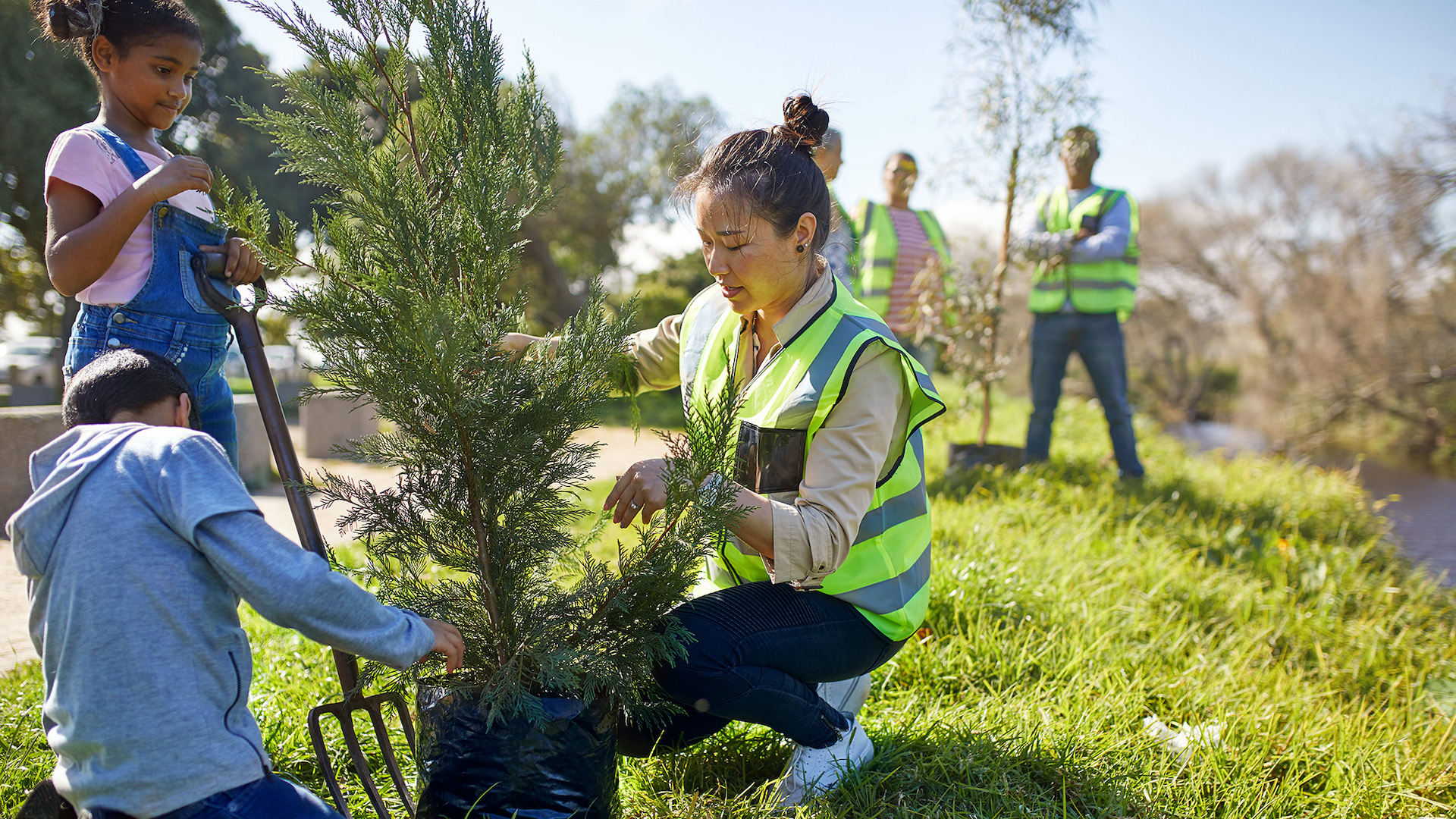
The Tree-Planting and Urban Forests initiative transforms unused lands into living green lungs. It brings together volunteers, schools, and local authorities to plant native species that thrive naturally. Each sapling represents a commitment to restore ecological balance and biodiversity. The program focuses on carbon absorption, soil restoration, and shade creation in urban zones. By mapping micro-climates, the right tree is planted in the right place for long-term growth. Regular maintenance drives ensure survival and promote water-efficient landscaping. Workshops educate citizens about pruning, mulching, and the value of native trees. Green corridors connect fragmented habitats, supporting birds and pollinators. These forests cool concrete neighborhoods and reduce air pollutants measurably. Partnerships with local industries help offset emissions responsibly. Every growing canopy becomes a classroom for sustainability in action. In time, the initiative builds greener, calmer, and cleaner cities for all.

💡 Eco-Entrepreneurship & Green Innovation
The Eco-Entrepreneurship and Green Innovation program nurtures new ideas for a sustainable economy. It supports innovators who turn environmental challenges into viable business opportunities. Workshops introduce participants to circular design, ethical sourcing, and waste reduction. Startups receive mentorship to scale green products that serve people and planet alike. The initiative builds confidence to lead in renewable energy, recycling, and sustainable fashion. Through networking events, eco-founders connect with investors and communities. Students learn how social entrepreneurship can align profit with planetary health. Hands-on sessions encourage creative problem-solving using local materials. Pilot projects test renewable prototypes and bio-based alternatives. The ecosystem grows stronger as entrepreneurs collaborate instead of compete. Every success story inspires others to rethink the meaning of growth. Together, these changemakers power the transition to a cleaner, circular future.